.png)
Whether you are selling, refinancing, or navigating a legal proceeding, a lower-than-expected appraisal can feel like a gut punch. Understanding what drives value downward helps you set realistic expectations and, in some cases, address correctable issues before the appraiser arrives.
Here are nine factors that most commonly suppress residential appraisal values across the Portland metro area.
1. Deferred Maintenance
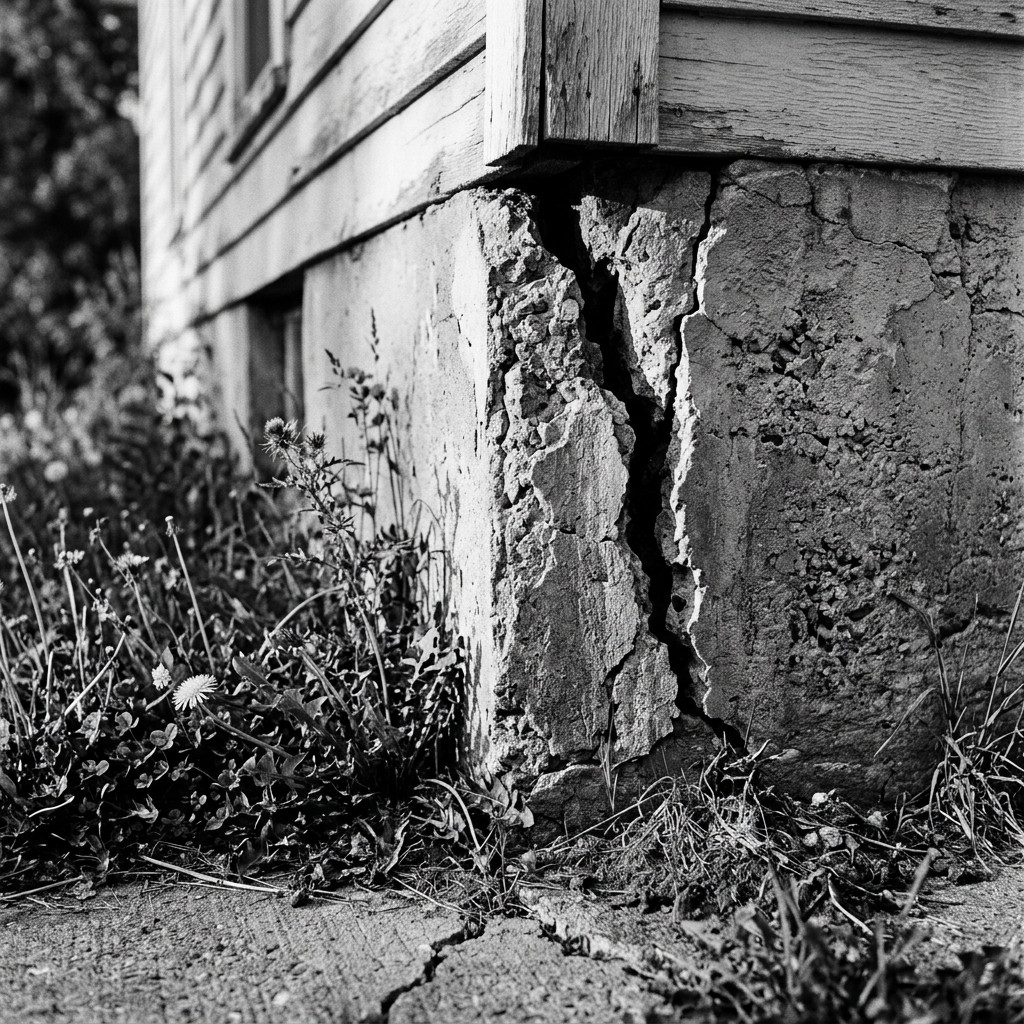
This is the single largest controllable factor. A roof with visible moss damage and missing shingles, a furnace past its expected lifespan, water stains on ceilings, peeling exterior paint, or a cracked foundation wall all signal deferred maintenance to the appraiser.
The appraiser does not just note these issues. They quantify them. If comparable homes in your neighborhood are in average condition and your home shows significant deferred maintenance, the appraiser applies a direct downward adjustment, sometimes tens of thousands of dollars.
2. Unpermitted Work
Portland takes permitting seriously, and so do appraisers. That basement conversion you finished yourself without permits, the bathroom addition your contractor built off the books, or the garage-to-ADU conversion without city approval all create valuation problems.
Unpermitted square footage typically cannot be included in the home's gross living area calculation. An appraiser may acknowledge the space exists but cannot give it full credit. In some cases, unpermitted work actually reduces value because it represents a potential liability for the next owner.
3. Functional Obsolescence
Functional obsolescence describes features that no longer serve the market well. Common examples in Portland's older housing stock include:
- A bedroom accessible only by walking through another bedroom
- A single bathroom in a four-bedroom home
- A kitchen that is significantly undersized for the home's total square footage
- Outdated mechanical systems like knob-and-tube wiring or galvanized plumbing
These features do not make the home uninhabitable. But they make it less desirable than comparable homes with modern layouts, and the appraiser adjusts accordingly.
4. External Obsolescence
External obsolescence refers to value-dampening factors outside your property lines that you cannot control:
- Proximity to a busy commercial corridor, highway, or railroad
- Adjacent properties with significant blight or deferred maintenance
- Environmental concerns such as flood zone designation or contamination
- Overhead high-voltage power lines crossing the property
These factors affect marketability. If buyers in your area consistently pay less for homes near a particular nuisance, the appraiser reflects that pattern in the valuation.
5. Poor Comparable Sales
Your home's value is anchored to what similar homes have recently sold for in your area. If recent comparables sold at lower prices due to distressed sales, market softening, or unusual concessions, your appraisal will reflect those lower benchmarks.
This is particularly relevant in Portland neighborhoods experiencing transition. A pocket of foreclosures or short sales in an otherwise stable area can temporarily suppress appraised values for surrounding properties.
6. Over-Improvement
Investing $150,000 in a luxury kitchen remodel on a home in a neighborhood where the median sale price is $450,000 does not automatically add $150,000 in value. Appraisers evaluate improvements relative to the surrounding market.
If your upgrades exceed what the local buyer pool is willing to pay for, you will not recapture the full cost. The appraiser caps the value at what the market supports, not what the renovation cost.
7. Declining Market Conditions
In a declining market, even a well-maintained home can appraise lower than expected. The appraiser is required to reflect current market conditions, including the direction and pace of price changes.
If comparable sales from three months ago were higher than sales from last month, the appraiser may apply a negative time adjustment. This is not a judgment on your home. It is a reflection of macroeconomic reality.
8. Environmental and Site Issues
Portland's geography introduces environmental factors that many homeowners overlook:
- Homes in FEMA-designated flood zones may require disclosure and carry additional buyer resistance
- Properties with known landslide risk, particularly in the West Hills, face marketability challenges
- Soil contamination from historical industrial use in certain neighborhoods can affect value
- Radon presence, while common in Oregon, can influence buyer perception
9. Lack of Updates in a Renovated Market
If every comparable home in your Pearl District condo building has been updated with modern finishes and your unit still has 1990s laminate and original appliances, the appraiser will note a condition disparity. You are not penalized for living comfortably. But when the market around you has moved forward and you have not, the value gap becomes measurable.
What You Can Do About It
Some of these factors are fixable. Address deferred maintenance, pull permits for unpermitted work, and make strategic updates that align with your neighborhood's expectations. Other factors, like external obsolescence or market conditions, are simply realities that the appraisal reflects honestly.
At Bernhardt Appraisal, we do not inflate values and we do not deflate them. We document every factor transparently so you understand exactly what is driving the number. That clarity is what makes our reports defensible and what gives you the foundation to make informed decisions.